
What Are Electric Vehicles (EVs)?
An Electric Vehicle (EV) is a type of car that is powered by rechargeable batteries rather than petrol or diesel.
Instead of a traditional engine, EVs use electric motors, which are cleaner, quieter, and more efficient.
You simply charge an EV the same way you charge your smartphone—either at home, at work, or at a public charging station.
Types of EVs Explained
Not all EVs are the same. There are three main types of electric vehicles:
1. BEV — Battery Electric Vehicle (Fully Electric)
- 100% electric
- Runs only on battery power
- Must be charged to operate
- Zero fuel, zero emissions
Examples: Tesla Model 3, BYD Dolphin, Leapmotor T03
These are the cleanest and cheapest EVs to maintain.
2. PHEV — Plug-in Hybrid Electric Vehicle
- Has both an electric motor and a petrol/diesel engine
- Can run on battery alone for short distances
- Uses fuel when the battery is low
- Needs to be plugged in to charge
Examples: Toyota Rav4 PHEV, BYD Song Plus DM-i
Great option for drivers transitioning into EV ownership.
3. HEV — Hybrid Electric Vehicle (No Plug)
- Mostly fuel-powered
- Electric motor supports the engine
- Batteries charge automatically when braking
- Cannot be plugged in
Examples: Toyota Prius Hybrid, Honda Insight
These are fuel-efficient but not considered true EVs.
How EVs Work
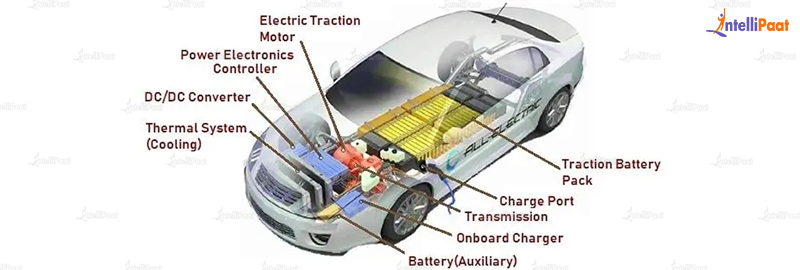
An electric motor replaces the internal combustion engine.
The battery sends power to the motor, the motor turns the wheels, and the car moves—simple!
Key differences compared to petrol cars:
- No engine noise
- No oil changes
- Fewer moving parts
- Smooth, instant acceleration
- Cleaner and more environmentally friendly
Want a Visual Explanation?
There is a short YouTube video that breaks down EV types and features in a simple, easy-to-understand way.
You can watch it here: YouTube Shorts – What Are EVs?